


Correction of Ear Deformity
Offered at our convenient location in Hamburg
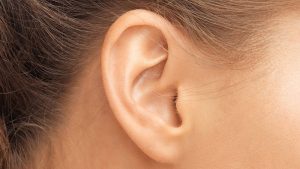
Otoplasty is a surgical procedure that is usually performed to correct prominent ears, asymmetrical ears and in some cases also to reduce the sheer size of the ears. Many people are born with large protruding ears that can have a negative psychological impact.
This procedure is performed by bringing the ears closer to the head by removing some of the cartilage and skin. This will result in smaller and symmetrical ears that do not project out sharply from the head. Especially for women that means that they can wear their hair up and short hair styles are an option as well.
Contents
Consultation

Surgical Method
We employ the most up to date concepts in our ear correction surgical techniques. Otoplasty is usually performed under local anaesthesia but full anaesthesia is also possible, especially in children. The technique applied is based on individual patient parameters and ear anatomy including the size and shape of the ears, in addition to the level of protrusion from the level of the head. Accurate preoperative planning is made to suit each individual patient targeting the area that needs to be addressed. The Incision is made hidden behind the ear and very often a section of cartilage is removed to reduce the overall size of the ear if this is needed. The ear is then pinned back by a variety of techniques determined according to specific anatomical characteristics.
Meticulous attention to detail is applied to ensure even contours, good symmetry and the best possible aesthetic result.
Post Operative Care
FAQ Ear Correction Surgery
When can I wash my hair again after I had my otoplasty procedure?
The dressings are taken off one day after the surgery and patients are advised to wash their hair and wounds gently with soap and water every day. After that cotton padding is recommended on the ears before applying compression bandaging.
When can I return to sports after an otoplasty?
Activity and sports are restricted after surgery to allow uninterrupted healing of the ears. The more extensive the procedure, the longer the patient will have to wait. In most cases patients are advised to avoid contact sports for 6-8 weeks and non-contact sports for 2 to 3 weeks following otoplasty. Combat sports like wrestling and MMA should be avoided for at least 3 months.
About Dr. Dalia Tobbia
Plastische Chirurgie Am Klosterstern
- Board certification
- German Board Exams for Plastic, Reconstructive and Aesthetic Surgery
- Education and training
- Bachelor-Abschluss in Kunst, Trinity College Dublin
- Internship und chirurgische Grundausbildung, Royal College of Surgeons in Ireland
- Facharztausbildung, Universität Göttingen
- Bachelor in Medicine, University of Dublin, Trinity College, Dublin, Ireland (2003)
- Doctorate of Medicine, University of Dublin, Trinity College, Dublin, Ireland (2010)
- Fellowship, Department of Plastic Surgery, The University of Toronto, Post Graduate Medical Education, Toronto, Canada (2009)
- Fellowship, Microsurgical Lymphnode Transplantation, University Hospital Gent, Aalsters Stedelijk Ziekenhuis, Gent, Belgium (2012)
- Fellowship, Supermicrosurgery, University of Tokyo Hospital, Tokyo, Japan (2012)
- Fellowship, Department of Plastic Surgery, Division of Reconstructive Microsurgery, Chang Gung Memorial University Hospital, Linkou, Taiwan (2015)
- Clinical Fellowship, Reconstructive Microsurgery of the Head and Neck, Breast and Lymphedema, Chang Gung Memorial University Hospital, Linkou, Taiwan (2014–2015)
- Visiting Fellowship, Supermicrosurgery of the Lymphatic System, University of Tokyo Hospital, Tokyo, Japan (2015)
- Memberships
- Fellow, Royal College of Surgeons in Ireland (2007)
- Membership, The Royal College of Surgeons, Dublin, Ireland (2007)
- Awards
- Zeiss Microsurgery Award
- Research Fellowship Funding Grant, Henrietta Breast Cancer Foundation, Sunnybrook Health Sciences Center (2006)
- Research Grant, Canadian Institute of Health Research (2007)
- Clinical Fellowship Grant, Wolfgang-Müller-Osten-Stiftung, German Surgical Association (2008)
- Award for best Presentation, The Canadian Breast Cancer Research Alliance (2008)
- Award for best Podium Presentation for Microsurgery, Canadian Society of Plastic Surgery Annual Meeting (2008)
- Prize for best Clinical Tutor, Adelaide and Meath Hospital, Trinity College, Dublin (2009)
- Lewis Rudin Award, New York Academy of Medicine (2010)
- Heidenreich von Siebold Research Funding, Georg-August-University, Göttingen (2011)